Beethoven sonata in c minor, op 10 no 1
Ludwig van Beethoven's Piano Sonata No. 8 in C minor, Op. 13, commonly known as Sonata Pathétique, was written in when the composer was 27 years old and was published in It has remained one of his most celebrated compositions. [ 1 ].
 Beethoven’s Pathétique Sonata – A Masterpiece of Drama and ... Ludwig van Beethoven's Piano Sonata No. 8 in C minor, Op. 13, commonly known as Sonata Pathétique, was written in 1798 when the composer was 27 years old and was published in 1799. It has remained one of his most celebrated compositions. [ 1 ].Beethoven - Piano Sonata No. 8 in C minor ('Pathétique') Beethoven composed his sonata in C minor, Op. 13, aptly titled “Pathétique,” at a time of personal turbulence and transformation. The “Pathétique” is a masterful exploration of stark contrasts and profound emotions, encapsulating the essence of tragic depth counterpointed with exalted triumph.Tragedy and Triumph in Beethoven’s ‘Pathétique’ Sonata Among these, the “Pathétique” Sonata stands out as a testament to his artistic prowess and emotional depth. This piece, formally known as Piano Sonata No. 8 in C minor, Op. 13, is not just a collection of notes, but a story that resonates through time.
 Beethoven sonata in c minor sheet music
Among these, the “Pathétique” Sonata stands out as a testament to his artistic prowess and emotional depth. This piece, formally known as Piano Sonata No. 8 in C minor, Op. 13, is not just a collection of notes, but a story that resonates through time. Beethoven sonata no. 8 op. 13 (pathetique) sheet music
Ludwig van Beethoven’s Piano Sonata No. 8 in C minor, Op. 13 is commonly known as Sonata Pathétique. He composed this sonata at the age of 27, still in his first, classical period. It was written in , published the following year. Ludwig van Beethoven's Piano Sonata No. 8 in C minor, Op. 13, commonly known as Sonata Pathétique, was written in 1798 when the composer was 27 years old and. Ludwig van Beethoven’s Piano Sonata No. 8 in C minor, Op. 13 is commonly known as Sonata Pathétique. He composed this sonata at the age of 27, still in his first, classical period. It was written in 1798, published the following year.
Ludwig van Beethoven (baptized December 17, 1770, Bonn, archbishopric of Cologne [Germany]—died March 26, 1827, Vienna, Austria) was a German composer, the. The sonata provides a notable early example of Beethoven’s experimentation with the dramatic potential of the key of C minor, which he would later choose for his well-known Symphony No. 5.
Pathetique sonata 3rd movement
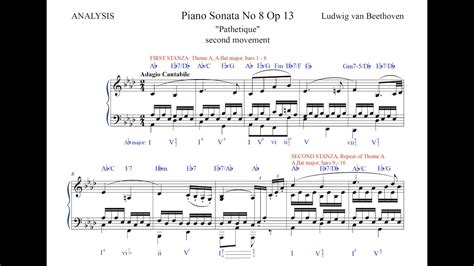
Beethoven composed his sonata in C minor, Op. 13, aptly titled “Pathétique,” at a time of personal turbulence and transformation. The “Pathétique” is a masterful exploration of stark contrasts and profound emotions, encapsulating the essence of tragic depth counterpointed with exalted triumph. Beethoven pathetique 2nd movement analysis
The sonata provides a notable early example of Beethoven’s experimentation with the dramatic potential of the key of C minor, which he would later choose for his well-known Symphony No. 5. Pathetique sonata 1st movement
The “Pathétique” Sonata, officially titled “Piano Sonata No. 8 in C minor, Op. 13,” encapsulates Beethoven’s ability to convey profound human emotions through music. Its three movements, each distinct in character, offer a glimpse into Beethoven’s growing mastery of the piano sonata form.
Pathetique sonata 2nd movement
The key of C minor – often a perfect vehicle for tragic, deeply emotive music – is Beethoven’s key of choice here, leading many to believe it was directly inspired by Mozart’s Piano Sonata No, composed in the same key less than two decades previously.